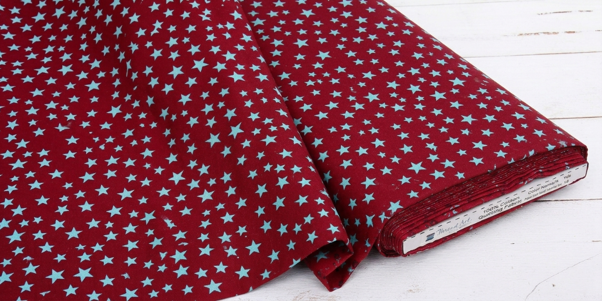
Premium cotton quilting fabric creates softer and more durable quilts because of its longer cotton fibers, balanced thread count, and high-quality making. These premium fabrics do not fray easily, keep their bright colors, and get softer with every wash.
This ensures that the finished quilt lasts for a very long time through daily use and washing without losing its shape or strength.
Picking the best materials for your quilting projects saves you both time and money over the life of your work. While cheap fabrics might look like a bargain at first, they often require twice as much work to sew and wear out quickly. Using high-grade quilting cotton lowers sewing mistakes, stops thread from snapping, and keeps your project on track, making your sewing time much more fun and easy.
When you use these premium fabrics, you enjoy several key benefits that save you time and money. The balanced weave stops the fabric from stretching out of shape while you work with it. This saves you from hours of frustrating seam ripping and fixing crooked blocks. Also, because your finished quilt stays strong for many years, you do not have to keep buying batting, backing, and thread to replace worn-out blankets. Crafting with premium fabric collections also means your matching fabrics, fat quarters, and pre-cuts like jelly rolls and charm packs all share the same thickness and shrink rate. Choosing good materials respects the valuable hours you spend on your hobby. By matching your time with fabric that is made to last, you make sure your hard work results in a beautiful family keepsake.
Choosing high-quality quilting fabric makes your crafting much easier and helps you sew straight seams. Good fabrics are made to stay flat and stable, which makes them easy to press, cut, and sew on a machine. Cheap fabrics are often coated with a heavy chemical starch to make them feel thick in the store. This starch washes away in the first laundry cycle, leaving behind a thin, loose cloth. Premium quilting cotton relies on tight weaving rather than temporary starch to hold its shape.
This stable weave gives you clear advantages when you sew. Pressing your blocks creates flat seams that match up perfectly without any bulky spots, making the quilting process much smoother. The fabric also holds its shape when your sewing machine pulls it through, which stops bias cuts from stretching out of line. This ensures your corners and points match up perfectly. Good fabrics also make very little lint. This keeps your sewing machine clean, stops skipped stitches, and means you do not have to clean your machine as often. This reliable structure makes sewing smooth and fun, whether you are making a complex design or using easy quilt kits.
The soft feel and long life of good cotton come from simple science and careful farming. According to the National Cotton Council of America, cotton is graded by the length of its fibers. Longer cotton fibers make stronger, smoother, and neater threads. These simple facts explain why premium fabric makes such a big difference in your quilts.
One major benefit of long fibers is that they stop fuzzy balls from forming on the surface. Long fibers stay tucked inside the spun thread, so they do not break, tangle, and form messy little bumps on your quilt. Testing by Cotton Incorporated shows that long-staple cotton holds up much better under daily wear. Also, premium cotton goes through special dye treatments that let the colors sink deep into the fibers. This stops colors from bleeding onto light fabrics when you wash them. This careful process also keeps shrinkage very low, usually between two and five percent, which keeps your seams from puckering over time.
Making a quilt that is both soft and strong means matching all your materials carefully. A great quilt relies on using good materials from the top layer to the back, ensuring every part of the quilt is of high quality. Beyond standard fabric by the yard, you can make your project better by choosing other ready-made options.
For example, using matching pre-cuts like layer cakes and fat quarter bundles ensures your fabric has the same weight and thickness across the whole quilt because they come from the same line. Using strong sewing thread and sharp needles also protects the fabric while you sew, reducing friction on the thread. Finally, using a wide, seamless 108-inch quilt backing of cotton removes bulky seams from the back of your quilt. This makes the quilt drape nicely and feel much cozier. Using good tools alongside premium fabric ensures every part of your quilt works together to make a beautiful, lasting keepsake.
Taking care of your quilts in the right way helps them stay soft for decades. Even the best cotton can wear out early if it is washed with harsh soaps or high heat. To keep your quilts in perfect shape, wash them in cool water on a gentle setting. Using cold water protects the bright dye and keeps the fibers strong.
It is best to skip liquid fabric softeners. These softeners leave a thin layer of wax on the cotton, which can trap dirt and make the quilt feel heavy. Instead, let the natural fibers soften on their own with each wash. To dry, tumble on low heat or lay the quilt flat on a clean surface. This gentle care protects the fine stitches and keeps the fabric feeling wonderful.
To sum up, the secret to making soft and long-lasting quilts is the quality of your starting fabric. Premium cotton quilting fabric offers the long fibers, tight weave, and bright colors needed to survive years of daily use. By choosing good materials, you protect your time and money, ensuring your quilt remains a beloved treasure for your family to enjoy for generations.
Premium cotton uses long fibers. As you use and wash the quilt, these fibers relax and open up instead of breaking. This natural process removes the stiff feel and makes the blanket feel much softer and cozier the more you wash it.
Good quilting fabric usually shrinks only two to five percent on the first wash. Makers pre-wash and dry premium cotton so it shrinks very little. This keeps your blocks flat and stops your quilt from puckering.
You should not mix different fabric qualities. Cheap fabrics fade faster and shrink differently than premium cotton. This can pull your seams apart, warp your designs, and cause your quilt to wear out unevenly.
Wash your quilt in cold water on a gentle cycle with mild soap. Tumble dry on low heat or lay it flat to dry. Do not use liquid softeners or bleach, as they can weaken the natural cotton threads.
A balanced thread count, usually 60 to 80 threads per inch, keeps the inside batting from poking through the weave. This tight weave gives the fabric enough strength to hold its shape without making it feel stiff.
At Peabody’s Fabric Closet, we curate only the finest materials to support your creative journey. We help you choose fabrics that elevate your craft and preserve your hard work for future generations to enjoy.