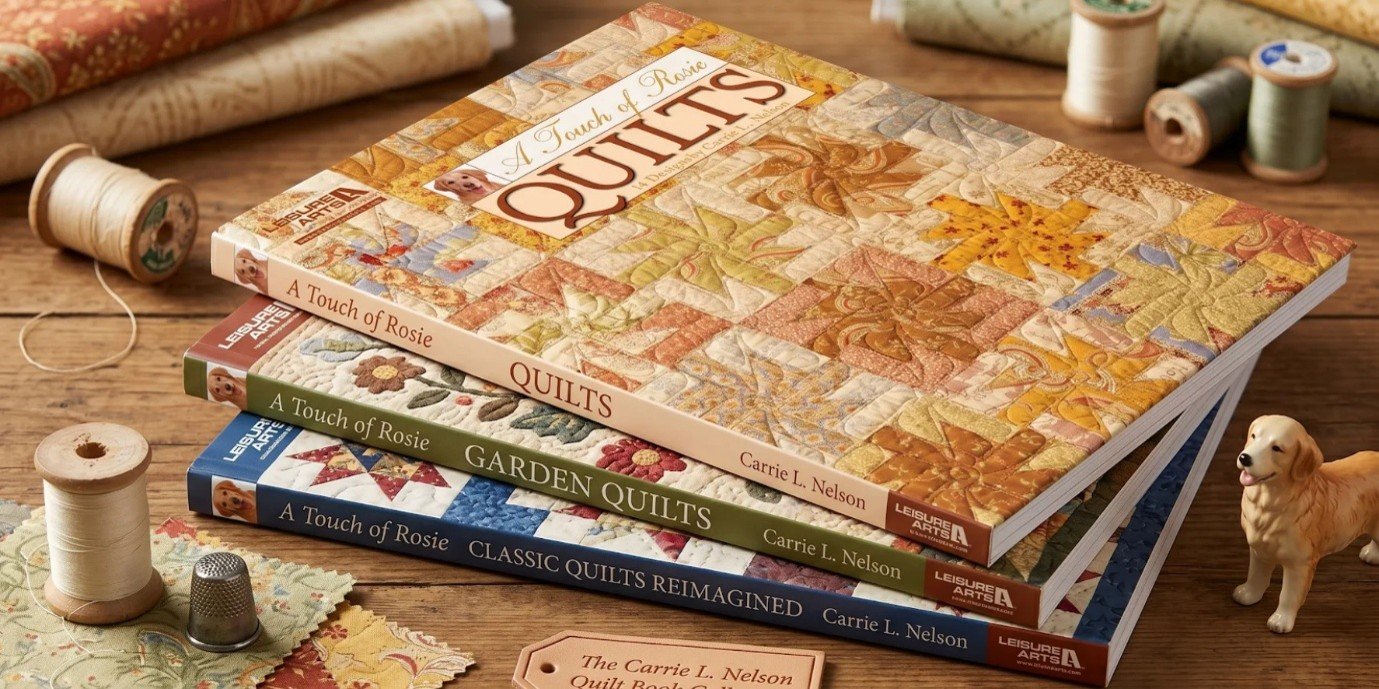
Every quilt tells a story, written in the quiet, simple shapes of fabric, color, and thread. Whether you are sewing a cozy keepsake for a new grandchild, piecing together old fabric scraps, or exploring the relaxing flow of hand applique, your journey starts with one spark of inspiration. The smell of fresh cotton fabric, the bright colors stacked on your shelves, and the hum of your sewing machine all come together to create a beautiful, creative retreat. While online videos offer quick tips, there is a lasting wonder in holding a real book at your worktable, turning the pages, and letting a master teacher guide your hands.
For many makers, building a personal quilt pattern book collection is about more than just gathering instructions. It is about creating a hands-on library of ideas that you can return to season after season, finding new details every time. When you buy quilting pattern books online from a local shop that truly knows the craft, you get tested layouts, expert advice, and a helpful guide for your sewing machine. These physical pages become trusted companions in your sewing room, filled with notes, fabric swatches, and beautiful memories of projects you have completed over the years.
In our busy digital world, we spend too many hours looking at bright screens, which can make our sewing time feel less hands-on. Bringing a real book into your sewing room changes the entire feeling of your creative space and allows you to slow down. You can easily flip between assembly drawings, rest a warm mug by your cutting mat, and write quick notes in the margins without your screen going to sleep or getting interrupted by online notifications. This simple act of turning pages helps you connect more deeply with the creative process.
A physical book serves as a helpful guide in your studio, reminding you of fun projects to try and new skills to learn. When you hold a beautifully printed book, you can see the true colors in the pictures and the exact size of the patterns. This screen-free time lets you quiet your mind, enjoy the feel of your cotton fabrics, and have fun planning your next handmade project. It turns your sewing hours into a peaceful escape from the busy rush of everyday life.
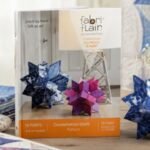
If you have ever felt scared of the sharp points and exact angles of traditional patchwork, you are not alone. The Flying Geese unit is a basic part of quilt design, but it can be hard to sew without stretching your fabric. In her wonderful book, Triangle Tango, designer Pam Clarke shares simple, stress-free ways to sew clean Flying Geese shapes for all skill levels. She breaks down the math into simple steps so you can focus on the fun of sewing.
Clarke teaches you how to sew these shapes without worrying about losing your points in the seams. By using smart, easy cutting and sewing steps, this book helps you build lively quilt tops that seem to dance with energy. It is the perfect guide for anyone who wants to stop fearing triangles and bring a sense of fun, moving design to their sewing room. You will soon find yourself sewing complex looking stars and borders with complete ease and joy.
If you love nature, applique is a fun way to paint pictures on your quilt using fabric shapes. Carol Armstrong’s Butterflies & Blooms is a lovely celebration of this art, guiding you through soft curves and pretty, natural designs. Armstrong is famous for her touchable, delicate designs that bring the quiet beauty of a garden inside. Her step by step instructions help you master the gentle art of hand and machine applique.
In this book, you will learn how to choose fabrics that match the soft feel of flower petals and the bright wings of butterflies. Whether you like quiet hand sewing in the evening or quick machine applique using fusible iron-on backing, these patterns offer a peaceful escape. This collection is great for intermediate sewists who want to try curved, natural shapes instead of straight lines. It encourages you to look at your fabric stash in a whole new way, finding hidden leaf shapes and flower colors in every scrap.
There is a special joy in making picture quilts, where simple strips of fabric come together to form cute, recognizable animals. Margaret Rolfe’s classic book, A Quilter’s Ark, is a fun treasure chest filled with animal blocks. You can sew a whole zoo of cute creatures, including pandas, giraffes, lions, and bright birds. These whimsical blocks are perfect for making gifts that children will love and hold onto for a lifetime.
Rolfe uses an easy and exact method called paper piecing to make these blocks perfect. By sewing your fabric directly onto a paper pattern, you can get sharp points and neat lines, even on small blocks that measure just $4 \times 4$ inches. This book is a great tool for making sweet baby quilts, fun wall decorations, or a large animal quilt. It is a wonderful way to use up tiny scraps of fabric while creating charming details like animal eyes and colorful feathers.
Sometimes, busy days mean we need a quiet, relaxing way to enjoy our sewing. Susan Briscoe’s Japanese Quilt Inspirations connects traditional Asian textile art with modern machine sewing. This book introduces you to deep blue indigo fabrics, soft brown colors, and the calm, repetitive lines of sashiko stitching. It teaches you to appreciate the slow beauty of handwork and the rich history behind these classic patterns.
Briscoe gives simple background history and easy steps so that anyone can try these beautiful styles. Making these projects teaches you to love simple designs and enjoy the quiet space on a quilt. It is a wonderful book for anyone who wants to slow down, enjoy calm hand sewing, and make quilts with a peaceful feel. You will find that the rhythmic motion of hand stitching brings a deep sense of calm to your busy week.
Every happy quilter ends up with a large pile of extra fabric, full of scraps and pretty pieces that are too good to throw away. Joyce Dean Gieszler’s Fantastic Stash Quilts is the perfect guide to organizing this fabric pile and turning scraps into beautiful, matching quilts. Gieszler specializes in layouts that make different, mismatched fabrics look like they belong together. She helps you find the hidden beauty in the fabrics you already own.
The best part of this book is how it shows you two ways to make each project, using either matching new fabric or a fun mix of scraps. This side-by-side view helps you see how color and light change the look of a quilt. It is a must-have book for cleaning out your sewing drawers and finding new life in the fabric you already own. You will enjoy the thrill of making a gorgeous quilt top without having to buy any new fabric at all.
Before you start your next book project, taking a few easy steps can save you from having to rip out your stitches later. Always sew a quick test block with scrap fabric to make sure your seams are a perfect, slim 14-inch before you cut your good fabric. This simple habit keeps your blocks lining up perfectly as you sew them together. It takes only a few minutes but saves you a lot of time and fabric in the long run.
Also, get in the habit of checking the publisher’s website or asking your favorite local shop for any quick pattern updates or print corrections. Even the most carefully edited books can occasionally have a small misprint, and knowing about it early saves you from mistakes. By pairing your books with good rulers, sharp cutting blades, and a patient mind, you will find that making a quilt is just as fun as using the finished project. Enjoy every stitch, embrace the slow process, and let your creativity shine through your hands.
1. How many patterns are usually inside a quilting pattern book?
Most quilting pattern books include between 10 and 15 complete projects for you to try. This makes buying a book a very smart and budget-friendly choice compared to purchasing single pattern sheets one by one.
2. Can you use pre-cut fabric packs for patterns in these books?
You can absolutely use pre-cuts like jelly rolls or fat quarters, but you must plan first. It is always best to check the fabric guides inside your book to make sure you have enough matching pieces before cutting.
3. What is the best way to hold a pattern book open while sewing?
Many quilters love using a simple metal book stand or a clear plastic recipe holder on their worktable. This keeps your pages flat and clean, allowing you to easily read the steps without taking your hands off your fabric.
4. Where is the best place to buy quilting pattern books online?
The best place to buy these books is from dedicated, independent quilting shops like Peabody’s Fabric Closet. Buying from specialty shops ensures you get accurate, test-proven patterns along with expert fabric matching support.